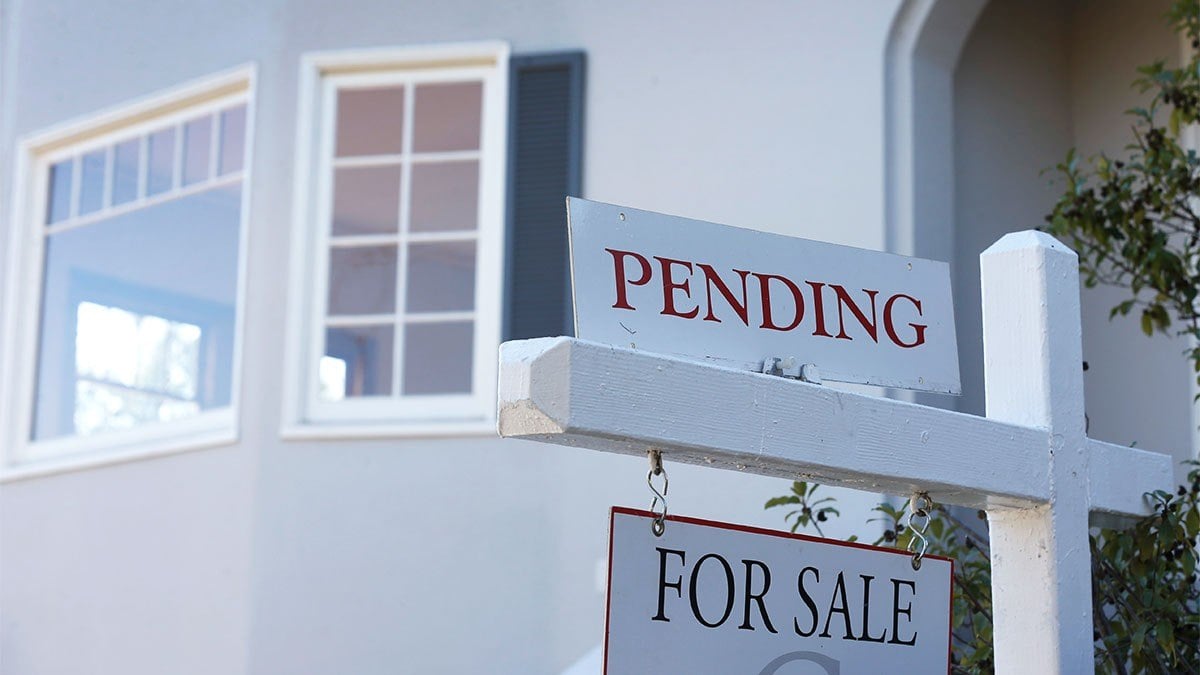

First-time homebuyers are making a noticeable comeback in the U.S. housing market. Recent data shows that first-time buyers accounted for 34% of existing-home purchases in February, the highest share recorded since April 2025.
While the housing market remains relatively slow overall, improving affordability and slightly lower mortgage rates appear to be encouraging more new buyers to enter the market.
A Modest Recovery in Home Sales
Existing-home sales rose 1.7% in February, reaching an annualized rate of 4.09 million transactions, according to the National Association of Realtors.
Despite the monthly improvement, overall sales activity remains below typical levels and is still slightly lower compared with the same time last year. This reflects the ongoing challenges buyers face, including affordability constraints and limited housing inventory.
However, the rise in first-time buyers suggests that some barriers to homeownership may be easing.
Why First-Time Buyers Are Returning
Several factors are helping bring new buyers back into the market.
Improving Affordability
Housing affordability has improved for several consecutive months as wage growth begins to outpace home price increases in many areas.
Lower Mortgage Rates
Mortgage rates briefly dipped below 6%, allowing some buyers who previously could not qualify for a loan to re-enter the market.
Better Financial Capacity
Lower monthly payments relative to income are making it easier for buyers to consider purchasing their first home.
Inventory Is Still a Challenge
Even with increased buyer activity, the supply of homes remains tight.
There were 1.29 million homes available for sale in February, representing roughly a 3.8-month supply of housing.
Most economists consider four to six months of supply to be a balanced market, meaning inventory levels are still below normal.
If demand continues to rise during the spring buying season without a corresponding increase in listings, home prices could begin climbing again.
Regional Housing Market Trends
Housing activity varies across different regions of the United States:
-
West: Sales increased about 8.2% month over month
-
South: Sales rose roughly 1.6%
-
Midwest: Sales increased about 1.1%
-
Northeast: Sales declined approximately 6% during the same period
Regional variations often reflect differences in affordability, job growth, and local inventory conditions.
What This Means for Buyers and Sellers
The growing presence of first-time buyers may signal a gradual improvement in housing market conditions. However, affordability challenges and limited inventory remain important factors shaping buyer behavior.
For buyers, the current environment may offer opportunities if mortgage rates remain stable and new listings continue to enter the market.
For sellers, increased demand from first-time buyers could bring more competition and stronger offers, particularly in affordable price ranges.
Market Perspective
The return of first-time buyers is an encouraging sign for the housing market. These buyers play a critical role in maintaining healthy market activity because they often drive entry-level demand and help create movement throughout the housing chain.
If mortgage rates remain relatively stable and inventory continues to improve, first-time buyer participation could continue growing throughout 2026.