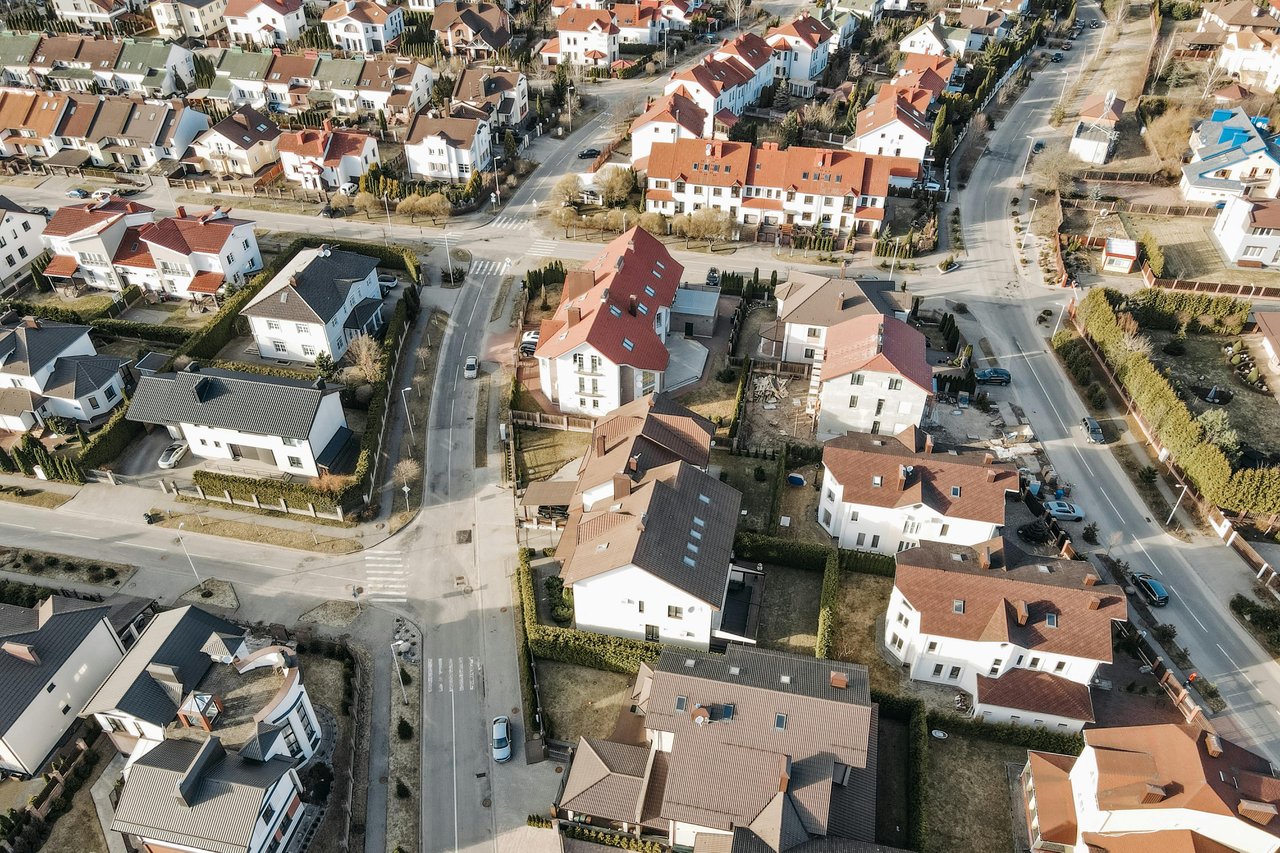
National home prices continue to trend upward in 2026, but the pace and experience of that growth vary dramatically depending on location. While prices are still increasing overall, regional differences are more pronounced than ever — meaning where you live can have a bigger impact on affordability and value than any broad U.S. housing market headline suggests.
The National Picture: Slow But Steady Growth
According to recent Federal Housing Finance Agency data, U.S. home prices are still rising year-over-year, although growth has slowed significantly compared with the rapid gains seen earlier in the decade. Prices are now increasing in the low single digits, a far more modest pace than the surges of 2021 and 2022.
Higher mortgage rates and ongoing affordability challenges have restrained overall demand, while limited inventory continues to support price growth. Rather than a unified national trend, many markets are telling very different stories about housing demand and value.
Why Location Matters So Much
Long-term price history plays a crucial role in how current growth feels to buyers and sellers. Regions that experienced rapid price increases over the past 10–20 years — such as parts of the West Coast and New England — still rank among the most expensive places to buy, even if annual growth rates today are modest. In contrast, markets in the Midwest and some parts of the South started from much lower price bases and are now seeing comparatively stronger momentum.
Think of price growth like riding an escalator: slowing the escalator doesn’t put everyone on the same floor. Markets that were already expensive remain expensive, while traditionally affordable regions can still offer relative value even if prices are rising.
What This Means for Buyers
For homebuyers — including those in high-cost regions like New York City — these regional differences have real implications:
- Affordability varies widely: A modest percentage increase in an already expensive market has a much larger dollar impact than the same percentage gain in a lower-cost region.
- Buyer strategies should be local: Investing time in market-specific data and trends is more important than relying on national averages.
- Entry points differ by city and neighborhood: Even within a single metro area, some neighborhoods may be rising faster than others.
Understanding the nuances of your specific market — whether that’s Manhattan’s luxury segment or an up-and-coming borough — can help you make smarter decisions.
What This Means for Sellers
Sellers also need to pay attention to local dynamics. In markets where price growth remains robust, strong buyer interest can support competitive offers and quick sale timelines. In slower or more balanced markets, effective pricing and marketing become even more critical to attract buyers.
Looking Ahead: Regions to Watch
As 2026 progresses, regional performance will continue shaping the housing market narrative:
- Some previously affordable Midwest and South markets are showing above-average price growth.
- Higher-cost coastal areas may see slower but still positive growth due to limited inventory and lifestyle demand.
- Local economic factors — including job growth, migration, and supply constraints — will increasingly differentiate pricing trends between regions and cities.
Market Insight
Home prices are still rising across the U.S., but the experience of that growth is far from uniform. Today’s housing market is defined more by local conditions — supply, demand, income levels, and historical price trajectories — than by any single national trend.
For buyers, sellers, and investors alike, understanding the dynamics of your specific region or neighborhood is essential to navigating today’s evolving market conditions.
Real estate trends may look similar nationwide, but pricing, demand, and opportunities can vary dramatically by neighborhood. If you are thinking about buying, selling, or investing, having accurate local market guidance can make a major difference.
For a personalized market analysis or private consultation, contact June Chang directly at 917-657-5198.