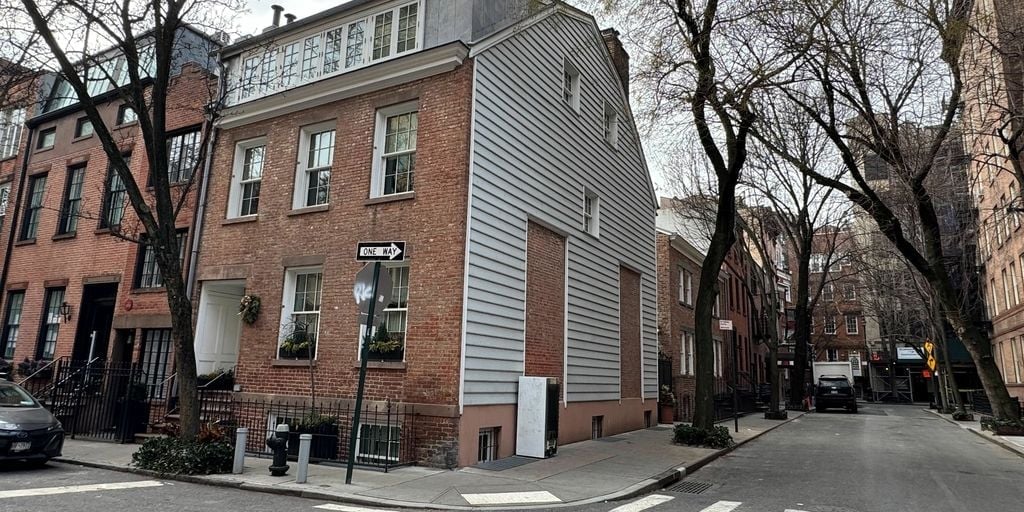
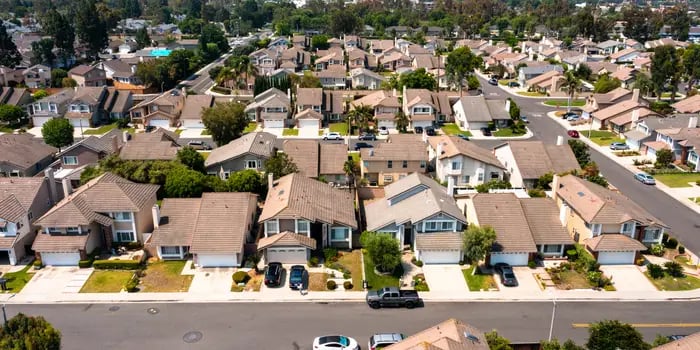
The U.S. housing market is entering a more balanced phase in 2026, with home prices rising in some regions while cooling in others. New data shows that price growth is shifting away from pandemic boom areas and toward more affordable Midwest and Northeast markets, signaling a broader market normalization.
National Home Price Trends
Home prices increased about 1.3% year-over-year in January, despite winter slowdowns. However, gains were not evenly distributed across the country. Price growth was concentrated mainly in Northeast and Midwest cities, while several Sun Belt and coastal markets experienced stagnation or declines.
This shift reflects changing migration patterns, improved inventory levels, and affordability pressures reshaping demand across regions.
Markets Where Home Prices Are Rising
Several traditionally affordable metros are now seeing strong appreciation, including:
-
Philadelphia
-
Detroit
-
Cleveland
-
Columbus
-
Baltimore
-
Cincinnati
These markets saw price gains of 5% or more year-over-year, with Philadelphia leading at roughly 8.6%. Affordability relative to coastal markets and steady local demand are supporting continued appreciation.
Markets Where Home Prices Are Falling or Cooling
Conversely, several previously high-growth pandemic markets are now adjusting as supply normalizes:
-
Raleigh
-
Seattle
-
New York
-
Dallas
-
San Antonio
-
Phoenix
-
Nashville
Raleigh experienced the largest decline, with median prices down about 4.3% year-over-year. These markets saw rapid price growth during the pandemic and are now correcting as inventory increases and demand stabilizes.
A More Balanced Housing Market Ahead
Data also shows that neither buyers nor sellers currently have a clear nationwide advantage. In high-cost California markets such as San Francisco and San Diego, sellers still hold stronger leverage, while buyers have more negotiating power in supply-heavy markets like Miami and parts of Texas.
Improving supply-demand balance, rising wages, and mortgage rates near three-year lows are expected to support a more active spring housing season.
What This Means for Buyers and Sellers
The 2026 housing market is no longer moving uniformly across the country. Instead, local conditions increasingly determine pricing trends:
-
Affordable Midwest and Northeast markets continue appreciating
-
Former boom regions in the South and West are stabilizing
-
Negotiation conditions are improving for buyers in many metros
-
Sellers must price strategically based on local demand
For homeowners and buyers alike, understanding regional shifts is now essential to making informed real estate decisions.