
New York City has introduced a new non-primary residence property surcharge, commonly called the “pied-à-terre tax.” The new surcharge is aimed at certain high-value residential properties that are not used as the owner's primary residence.
The city began sending notices to property owners in July 2026. However, receiving a notice does not automatically mean you owe the surcharge. Some homeowners may qualify for an exemption if the property is being used as a primary residence.
For NYC homeowners, investors, and anyone considering buying a high-value property, understanding how the new rules work is becoming increasingly important.
What Is the NYC Pied-à-Terre Tax?
The official name is the Non-Primary Residence Property Surcharge.
For the 2026–27 and 2027–28 property tax years, the surcharge may apply to:
- One-, two-, and three-family homes with a Department of Finance market value of more than $5 million
- Condominium and cooperative units with a Department of Finance market value of $1 million or more
The surcharge rate depends on the property's value and type.
For example, qualifying condos and co-ops can face surcharge rates ranging from 4% to 6.5%, depending on their Department of Finance market value. Qualifying one- to three-family homes have rates ranging from 0.8% to 1.3%.
Receiving a Notice Doesn't Mean You Owe the Tax
This is one of the most important points for homeowners.
If you received a letter from the NYC Department of Finance saying you “may be subject to” the surcharge, don't assume that you automatically have to pay it.
The property may qualify for an exemption if it is the primary residence of:
- The property owner
- A tenant or subtenant
- An immediate family member of the owner
- Certain qualifying individuals connected to an LLC, corporation, partnership, or trust
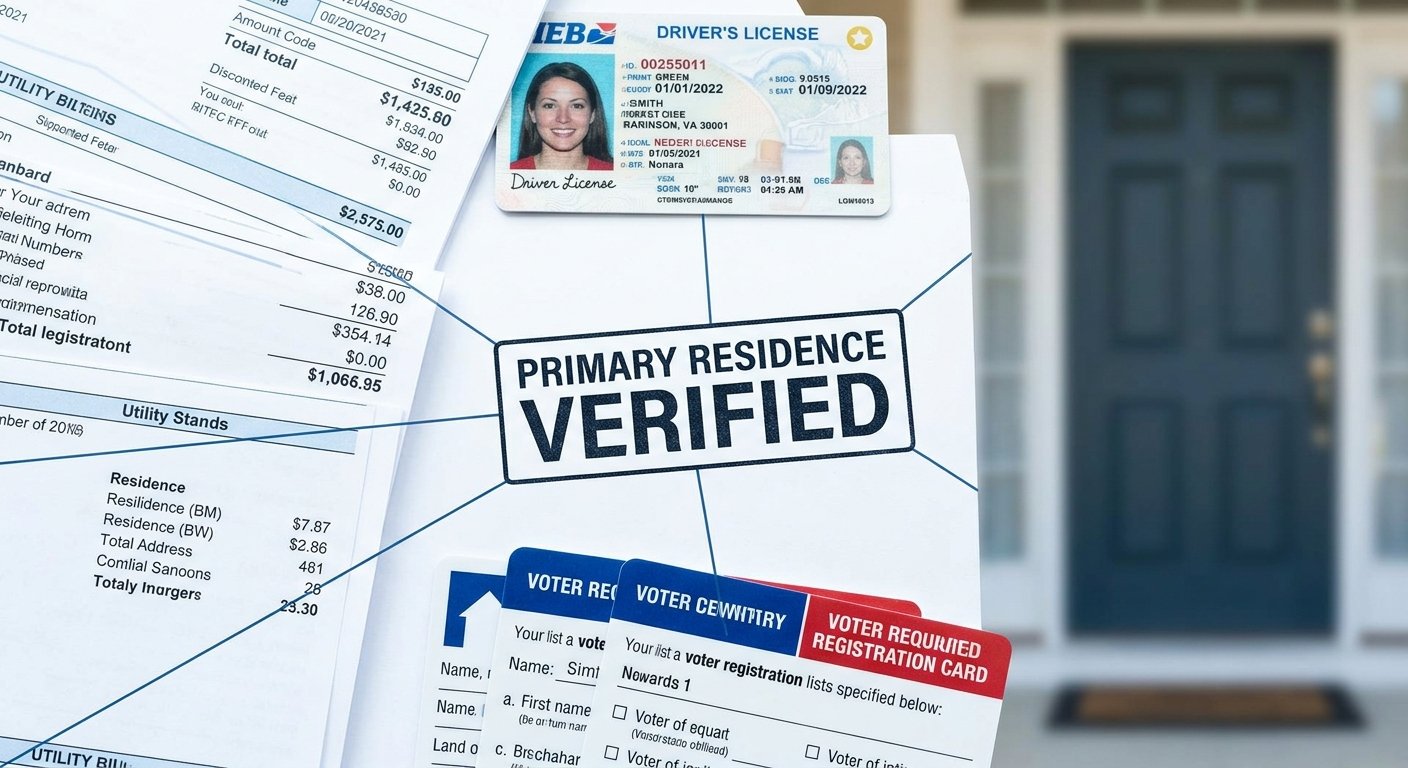
Homeowners who believe they qualify need to provide documentation showing that the property is being used as a primary residence.
What Is the Current Exemption Deadline?
The NYC Department of Finance currently lists October 6, 2026 as the deadline for residential homes, condominiums, and cooperative units that received a surcharge notice.
If you received a notice, it's important to review it carefully and follow the instructions provided by the Department of Finance.
You can also contact 311 or the NYC Department of Finance for questions about eligibility and the application process.
How Much Could the Surcharge Be?
The potential cost varies significantly depending on the property type and value.
Property Type | DOF Market Value | Surcharge |
|---|---|---|
1–3 Family Home | $5M–$15M | 0.8% |
1–3 Family Home | $15M–$25M | 1.05% |
1–3 Family Home | $25M+ | 1.3% |
Condo / Co-op | $1M–$3M | 4% |
Condo / Co-op | $3M–$5M | 5.25% |
Condo / Co-op | $5M+ | 6.5% |
These rates apply to the relevant property tax years under the current NYC rules.
Because the financial impact can be substantial, owners of potentially affected properties should review their individual situation carefully.
What Does This Mean for NYC Buyers?
For most buyers purchasing a typical home in Queens, this surcharge will not be relevant.

However, buyers considering high-value condos, co-ops, or luxury properties should understand whether the property could potentially fall under the new rules.
This is especially important for buyers purchasing a property as:
- A second home
- An investment
- A vacation residence
- A pied-à-terre
- A property that will not be their primary residence
The tax implications should be considered alongside mortgage costs, property taxes, maintenance fees, and other ownership expenses.
What About Queens?
For most residential buyers in neighborhoods such as Flushing, Bayside, Whitestone, Fresh Meadows, Little Neck, Douglaston, College Point, Kew Gardens, Forest Hills, Rego Park, Jackson Heights, Woodside, Astoria, and Long Island City, the new surcharge will generally be less relevant because the thresholds are targeted at higher-value properties.
However, the rule is another reminder that the total cost of owning a NYC property goes beyond the purchase price.
Before buying, homeowners should consider not only the mortgage and property taxes but also maintenance, insurance, common charges, co-op fees, and potential future tax changes.
Frequently Asked Questions
Do all NYC second homes have to pay the pied-à-terre tax?
No. The surcharge applies only to certain properties that meet the applicable value thresholds and are not used as a primary residence.
What if I received a notice but live in the property?
Receiving a notice does not necessarily mean you owe the surcharge. If the property is your primary residence and you believe you qualify for an exemption, you should submit the required documentation.
When is the exemption deadline?
The current NYC Department of Finance deadline is October 6, 2026 for residential homes, condos, and co-ops.
Will the surcharge appear on my property tax bill?
If the property is determined to be subject to the surcharge, the city says the charge will appear on the property tax bill due January 1, 2027.
The Bottom Line
New York City's new pied-à-terre tax adds another consideration for owners of certain high-value properties that are not primary residences.
The most important thing to remember is that a notice is not necessarily a tax bill. If you received a letter from the Department of Finance, review your eligibility carefully and determine whether you qualify for an exemption before the deadline.
For buyers, the new rules are another reason to look beyond the purchase price and understand the full cost of owning a property in NYC.
Your Local Real Estate Resource
Whether you're buying, selling, or renting, understanding NYC's changing real estate rules can help you make more informed decisions.
June Chang | JuneNYC Team
www.JuneChangNYC.com
Queens & NYC Seller Agent
Helping clients buy, sell, and rent in Flushing, Bayside, Whitestone, Astoria, LIC, and throughout NYC.
Speaks Chinese (Mandarin & Taiwanese).
Contact June Chang: 917-657-5198
Disclaimer: “This article is for general informational purposes only and is not tax or legal advice. Please consult the NYC Department of Finance or a qualified tax professional regarding your specific situation.”